
The Ultimate Guide to Modern Pet Parenting: Are You Making These Silent Mistakes?
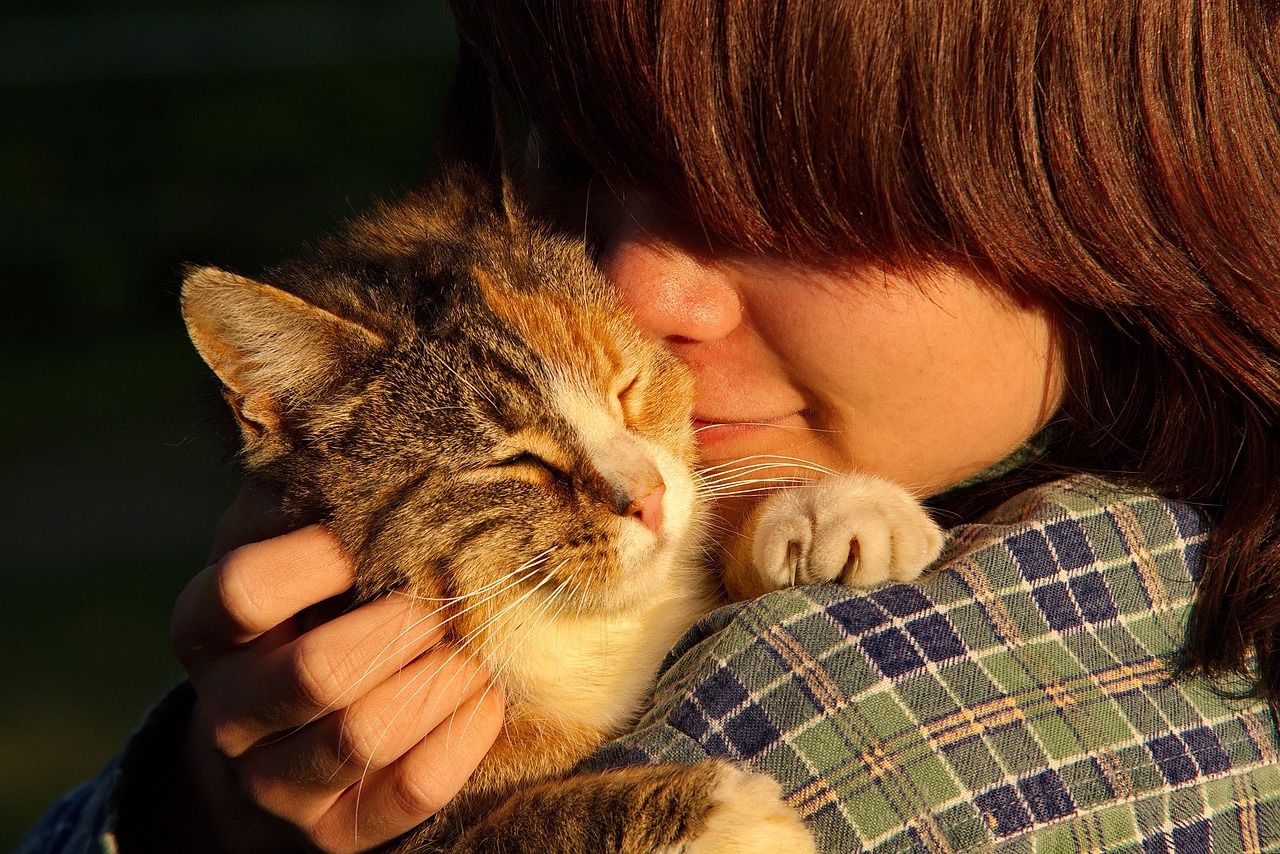
We all want to believe we are the “perfect” pet parents. We buy the premium kibble, we provide the softest beds, and we shower our companions with affection. They are, after all, more than just animals; they are family members who offer us a brand of unconditional loyalty that is hard to find elsewhere.
Their wagging tails greet us at the door, their purrs soothe our stress, and their silent gaze reminds us that we are the centre of their entire universe.
But love is only one part of the equation. Even the most dedicated, well-intentioned pet owners can unknowingly fall into habits that compromise their pet’s long-term health, emotional stability, and longevity.
In the hustle of modern life, pet care often becomes reactive rather than proactive. We wait for a limp before checking the paws; we wait for a growl before addressing anxiety; we wait for a lethargic day before questioning the diet.
The good news? Most common pet care mistakes are not born of neglect, but of a lack of a centralised system and updated information. Once you identify these “silent” mistakes, they are remarkably easy to fix.
In this deep-dive guide, we will explore the six most common pitfalls in pet ownership, the science behind why they matter, and how Ajovia is revolutionising the way we manage these responsibilities to ensure our pets live their longest, happiest lives.

Mistake #1: The “If It Isn’t Broken, Don’t Fix It” Approach to Vet Care
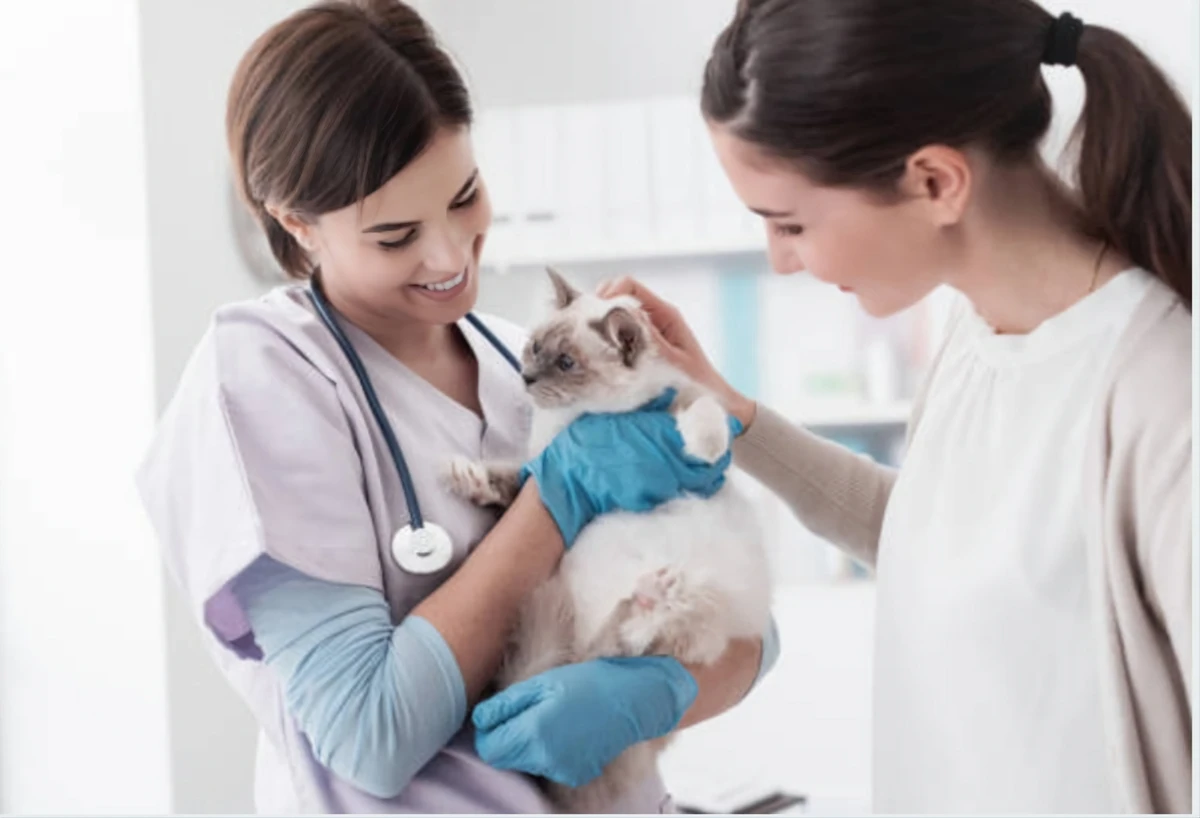
Many pet parents fall into the trap of only visiting the veterinarian when something is visibly wrong. We tell ourselves, “They look fine, they’re eating well, and they’re playing. Why spend the money on a checkup?”
This logic is flawed because animals are biologically programmed to hide pain. In the wild, showing weakness or illness makes an animal a target for predators. Even though our Golden Retrievers and Calico cats are domestic, that “survival masking” remains part of their DNA.
Why This Is a Critical Error:
- Silent Progression: Conditions like chronic kidney disease, hypertrophic cardiomyopathy (heart disease), and early-stage diabetes often show zero external symptoms until the organ function is significantly compromised.
- The Cost of Delay: Treating a minor dental infection during a routine cleaning might cost a few hundred dollars. Treating systemic sepsis resulting from a rotted tooth can cost thousands in emergency surgery.
- Baseline Data: Without regular “wellness” checks, your vet doesn’t have a “normal” baseline for your pet. When they eventually do get sick, it’s harder to tell how far their bloodwork has shifted from their healthy state.
How to Fix It:
- The Annual Rule: Schedule wellness exams at least once a year for adult pets. For “senior” pets (usually age 7+ for dogs and 10+ for cats), twice-yearly exams are the gold standard.
- Preventative Diagnostics: Don’t just get a physical exam. Ask for annual blood panels and urinalysis. This is the “under the hood” check that catches issues before they manifest.
- Ajovia Integration: Use the Ajovia platform to store digital copies of these lab results. Over years, you can see trends in your pet’s health markers that might otherwise go unnoticed.
Remember, prevention is always better (and cheaper) than treatment.
Mistake #2: Nutritional Guesswork and “Love” Through Food
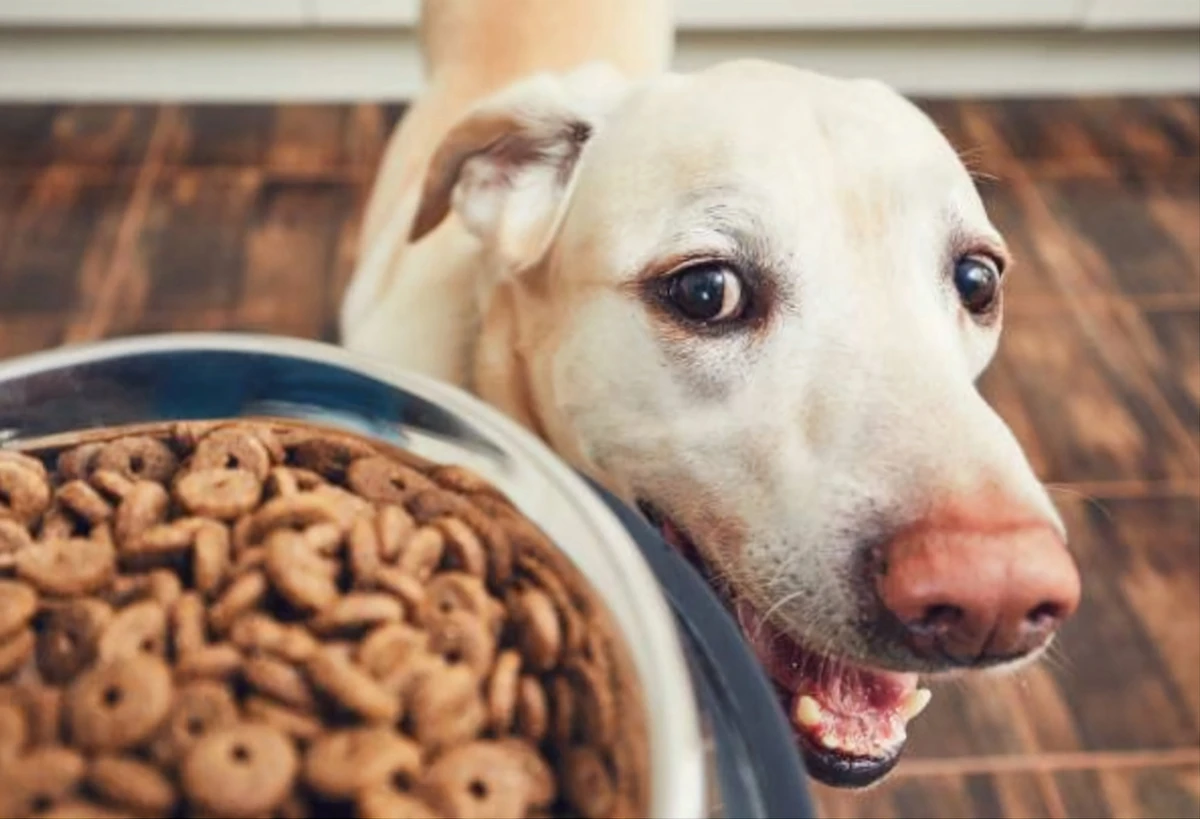
Feeding a pet should be simple, right? Fill the bowl, wait for the wag. Unfortunately, the pet food industry is a minefield of marketing jargon, and our own emotional attachment to our pets often leads to “over-treating.”
According to a 2022 veterinary survey, 59% of dogs and 61% of cats were classified as overweight or having obesity in the US, an increase from the previous surveys conducted in 2018 and 2017. We are literally killing our pets with kindness.
The Hidden Dangers of Poor Nutrition:
- Inflammation: Excess fat tissue isn’t just “padding.” It is a biologically active tissue that secretes inflammatory hormones, leading to joint pain and decreased mobility.
- The “Human Food” Trap: While a piece of plain chicken is fine, many human seasonings—like onion powder, garlic, or even certain sugar substitutes like Xylitol—are highly toxic.
- Caloric Density: A single “pupperoni” stick for a 20lb dog can be the caloric equivalent of a human eating a double cheeseburger.
The Ajovia Solution for Nutrition:
✅ Precision Portions: Stop using a random plastic cup. Use a standard kitchen scale to measure food in grams.
✅ Calorie Tracking: Use Ajovia to log treats. If your pet gets a high-value treat during training, their evening meal should be adjusted accordingly.
✅ Ingredient Awareness: Learn to read the first five ingredients on your pet’s food bag. Look for specific proteins (e.g., “Deboned Chicken”) rather than vague terms like “Meat By-products.”
Mistake #3: Neglecting the “Invisible” Need — Mental Stimulation
We remember to walk the dog, but do we remember to exercise their brain? A dog that walks three miles on a leash but never gets to sniff or solve a puzzle is like a human walking on a treadmill in a dark room. It’s physical movement, but it’s mentally draining.
For cats, this is even more critical. Many indoor cats live in “sensory deprivation chambers.” Without the hunt, the climb, and the pounce, they become lethargic or develop “displacement behaviors” like over-grooming or territorial spraying.
Symptoms of a Bored Pet:
- Destructive Chewing: That chewed-up sofa isn’t spite; it’s an outlet for pent-up energy.
- Excessive Barking/Meowing: They are trying to create their own “event” in a boring day.
- Anxiety and Compulsions: Constant tail-chasing or flank-sucking can often be traced back to a lack of environmental enrichment.
How to Fix It:
- Ditch the Bowl: Instead of letting your pet eat out of a bowl in 30 seconds, use puzzle feeders or snuffle mats. This turns mealtime into a 20-minute “hunting” session.
- The “Sniffari”: On your next dog walk, let the dog lead. Let them sniff every blade of grass. 15 minutes of sniffing is more exhausting for a dog than 45 minutes of brisk walking.
- Vertical Space for Cats: Add cat trees or wall-mounted shelves. Cats feel safest when they can survey their “kingdom” from above.

Mistake #4: The “It’s Just Dog Breath” Fallacy
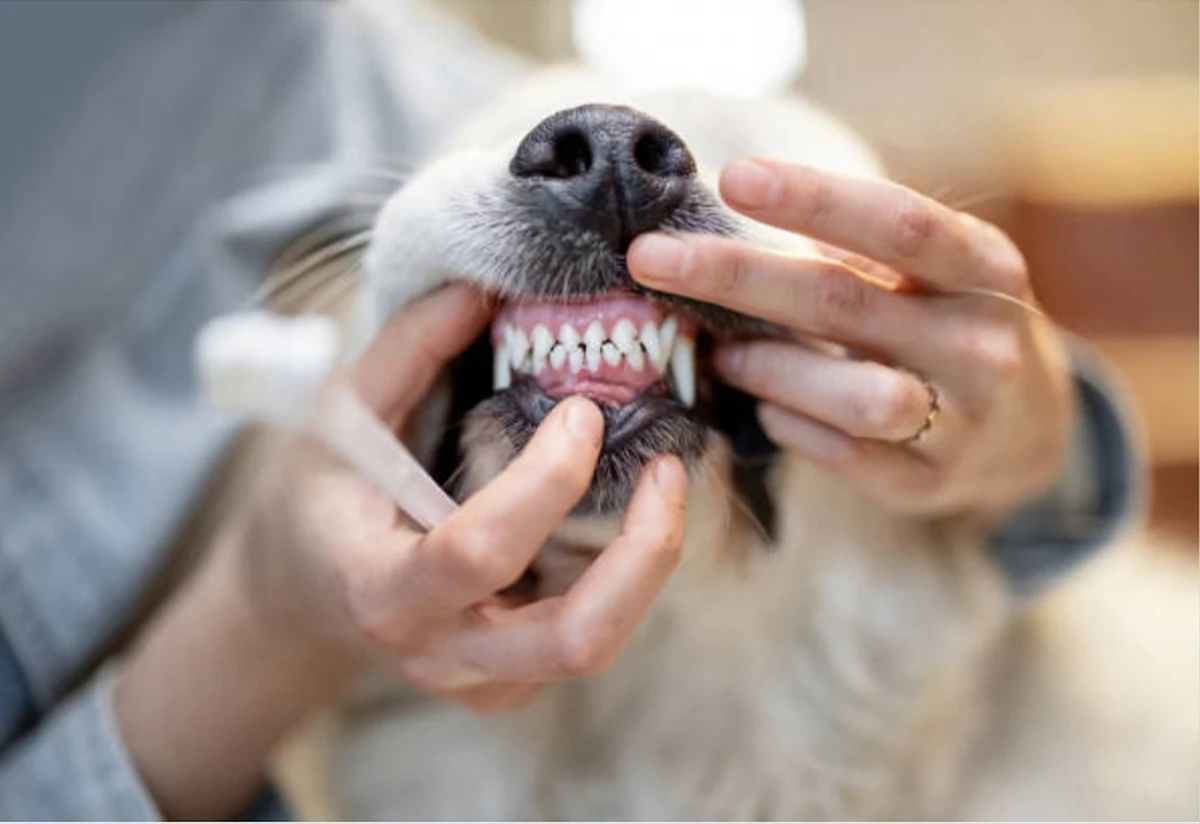
One of the most ignored aspects of pet care is oral hygiene. We wouldn’t go years without brushing our teeth, yet many pets go their entire lives without dental care.
By the age of three, the vast majority of pets have some stage of periodontal disease. This isn’t just about smelly breath; it’s about the fact that the gums are incredibly vascular. Bacteria from a tooth infection can easily enter the bloodstream and hitch a ride to the heart valves, kidneys, and liver.
The Stages of Dental Neglect:
- Plaque/Tartar: Soft film turns into hard brown deposits.
- Gingivitis: Red, swollen gums that bleed when touched.
- Periodontitis: Loss of the bone and tissue supporting the teeth, leading to pain and tooth loss.
Proactive Dental Care:
- Daily Brushing: It sounds tedious, but it is the single most effective thing you can do for your pet’s longevity. Use pet-specific toothpaste (human toothpaste contains fluoride/xylitol which is toxic).
- VOHC Seal of Approval: Look for treats and water additives that carry the Veterinary Oral Health Council (VOHC) seal. This ensures the product actually works and isn’t just marketing fluff.
Mistake #5: Misinterpreting Body Language and Stress Signals
We often project human emotions onto our pets. We think a dog “looks guilty” because he knows he ripped up the mail, but in reality, that “guilty look” (ears back, whites of the eyes showing, licking lips) is a classic fear response to your angry tone of voice.
Misreading these signals leads to a breakdown in trust and can even lead to “unexpected” bites or scratches.
Common Misunderstood Signals:
- The Purr: Most people think it always means “happy.” However, cats also purr when they are in extreme pain or fear as a self-soothing mechanism.
- The Wagging Tail: A wag doesn’t always mean “friendly.” A stiff, high, fast-twitching tail can be a warning of an impending attack.
- The Yawn: In dogs, a yawn outside of naptime is often a “calming signal” that indicates they are stressed by the current situation.
How to Fix It:
✅ Education: Spend time learning about “low-stress handling.”
✅ Observation: Use Ajovia to log when your pet seems “off.” Did the barking increase after the neighbors got a new mower? Did the cat stop using the litter box after you changed the brand of sand?
✅ Respect the “No”: If your pet walks away when you are petting them, let them go. Forcing affection is a major source of pet stress.

Mistake #6: Relying on “Mental Post-it Notes” Instead of Systems
We live in a world of information overload. Between work, family, and social lives, we expect our brains to remember when the last flea treatment was applied, when the rabies shot is due, and exactly how many grams of kibble the vet recommended six months ago.
Relying on memory is a recipe for inconsistency. Inconsistency leads to gaps in protection (like missing a heartworm pill) or over-vaccination (forgetting a shot was already done).
The Chaos of “Analogue” Pet Care:
- Lost paper records from the vet.
- Forgetting to reorder specialized medication until the bottle is empty.
- Different family members feeding the pet twice because there was no “central source of truth.”
The Ajovia Revolution: Why a One-Stop Platform is Non-Negotiable
This is where the transition from “Traditional Pet Owner” to “Smart Pet Parent” happens. In 2026, there is no reason to manage a living being’s life with scattered notes and guesswork.
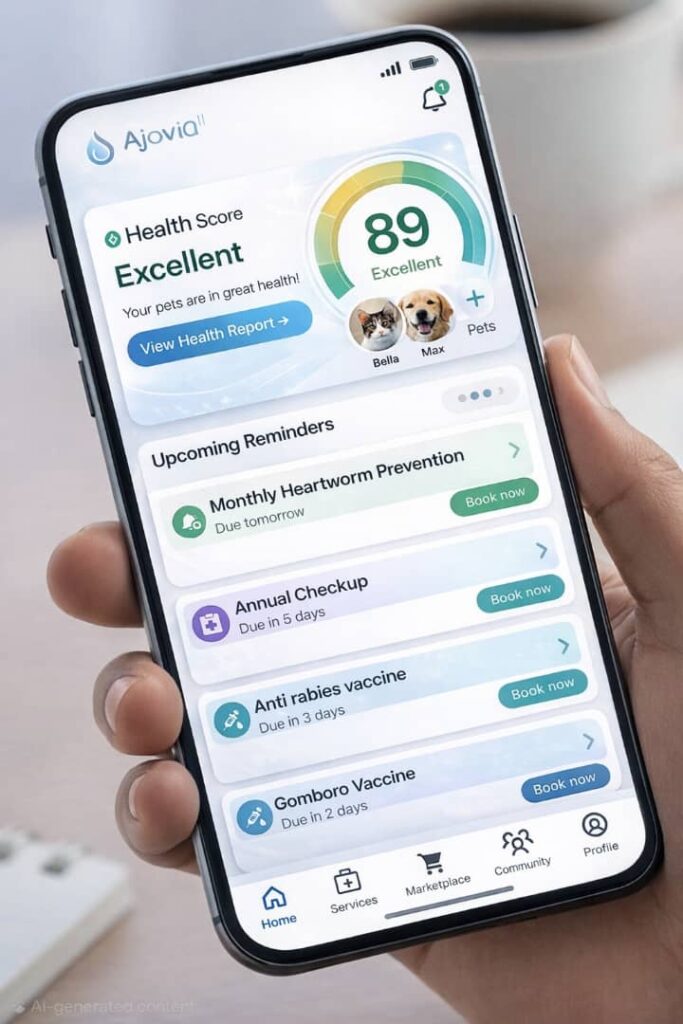
Ajovia was built to solve the “fragmentation” of pet care. It is the digital nervous system for your pet’s life.
🚀 How Ajovia Corrects These Mistakes Automatically:
- The Digital Vault: Store all medical records, x-rays, and bloodwork results in one encrypted location. If you ever have an emergency at 2 AM, you have your pet’s entire history on your phone to show the ER vet.
- Smart Reminders: No more “Did I give the heartworm pill?” Ajovia sends push notifications for medications, vaccines, and even routine tasks like tooth brushing or nail trims.
- Behavioural Tracking: Our platform allows you to log daily energy levels and moods. Over time, Ajovia’s insights can show you patterns—perhaps your dog’s lethargy always happens on Thursdays (the day the lawn crew comes), suggesting a noise-anxiety issue rather than a physical illness.
- Tailored Expert Content: Instead of Googling symptoms and finding “Dr. Internet” horror stories, Ajovia provides a curated library of advice tailored to your pet’s specific breed, age, and health profile.
The “Smart Pet Parent” Checklist: 5 Steps to Take Right Now
You don’t have to overhaul your entire life in one day. Start with these five high-impact actions:
- Audit the Bowl: Look at your pet’s food bag. If the first ingredient isn’t a named meat source, consider transitioning to a higher-quality formula.
- The 10-Minute Challenge: Commit to 10 minutes of “active brain work” with your pet today. Use a puzzle, hide treats around the house, or teach a new trick.
- Check the Gums: Lift your pet’s lip. If you see red lines or brown buildup, call the vet for a dental assessment.
- Centralise Your Data: Gather all those loose vet papers and scan them into a digital folder or, better yet, upload them to your Ajovia profile.
- Observe the “Silent” Language: Spend 5 minutes just watching your pet interact with their environment. Are they truly relaxed, or are they constantly scanning for threats?
Final Thoughts: You Don’t Have to Be Perfect, Just Prepared
Being a pet parent is one of the most rewarding roles you will ever play. But it is also a massive responsibility. Mistakes happen when we get comfortable and stop observing. By moving from a reactive mindset to a proactive, system-based approach, you aren’t just “owning” a pet—you are advocating for a soul that cannot speak for itself.
Ajovia is here to be your partner in that advocacy. We provide the tools, the reminders, and the data, so you can focus on what really matters: the bond, the play, and the love.

❤️ Ready to Care Smarter, Not Harder?
Join the community of proactive pet parents who are changing the way the world treats its companions.
📩 Sign up for the Ajovia Newsletter
- Get Expert Guides: Monthly deep-dives into nutrition, behavior, and longevity.
- Early Access: Be the first to use our advanced tracking and AI-driven health insights.
- Exclusive Community: Join a network of owners committed to “The Smart Pet Way.”

Pingback: Understanding Your Pet’s Body Language: What Are They Trying to Tell You? - Ajovia